
To More Inquiry

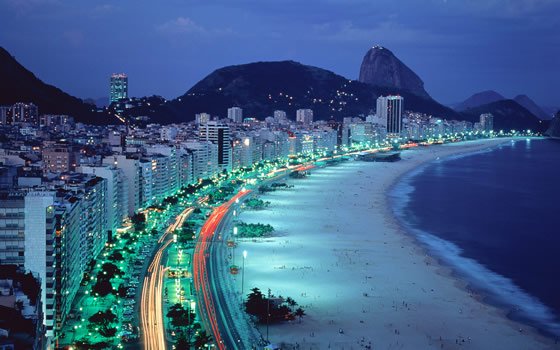
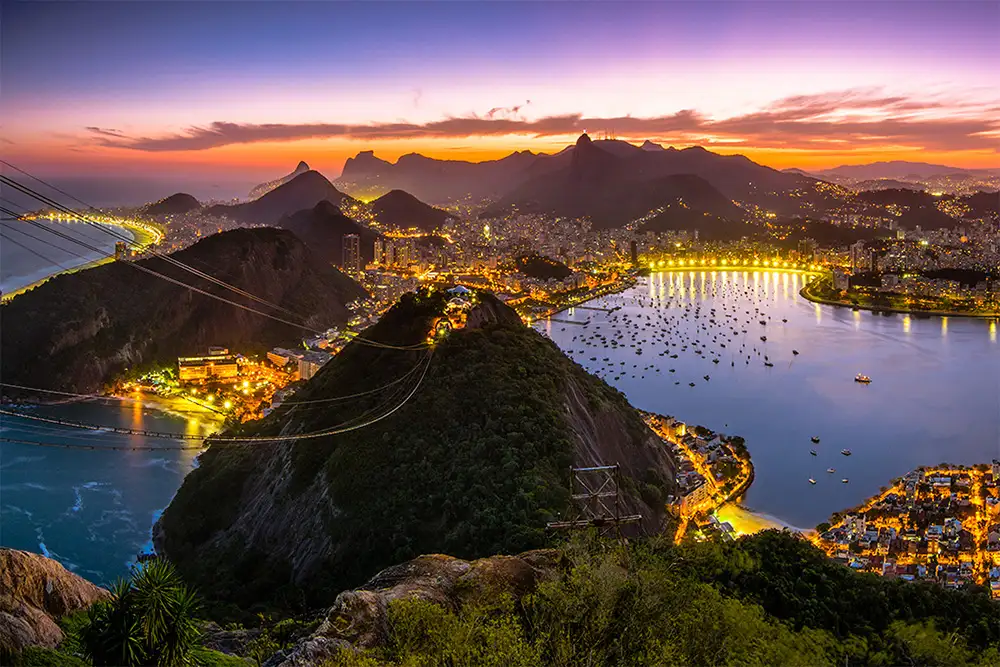
Arrival at Rio de Janeiro airport. Transfer to the hotel. Excursion to Sugar Loaf (4 hours) in the afternoon. The first stop will be on Mount Urca, which has a wide observation deck. On Sugarloaf Mountain itself there is a smaller platform, but it offers a beautiful view of Rio, Copacabana beach, the bay, surrounding mountains, islands in the ocean, the bridge to the city of Niteroi, and the statue of Christ. Then you will go to the central areas of old Rio, where you will admire several ancient churches, monasteries, the main Cathedral of the city, as well as buildings built in the colonial style.
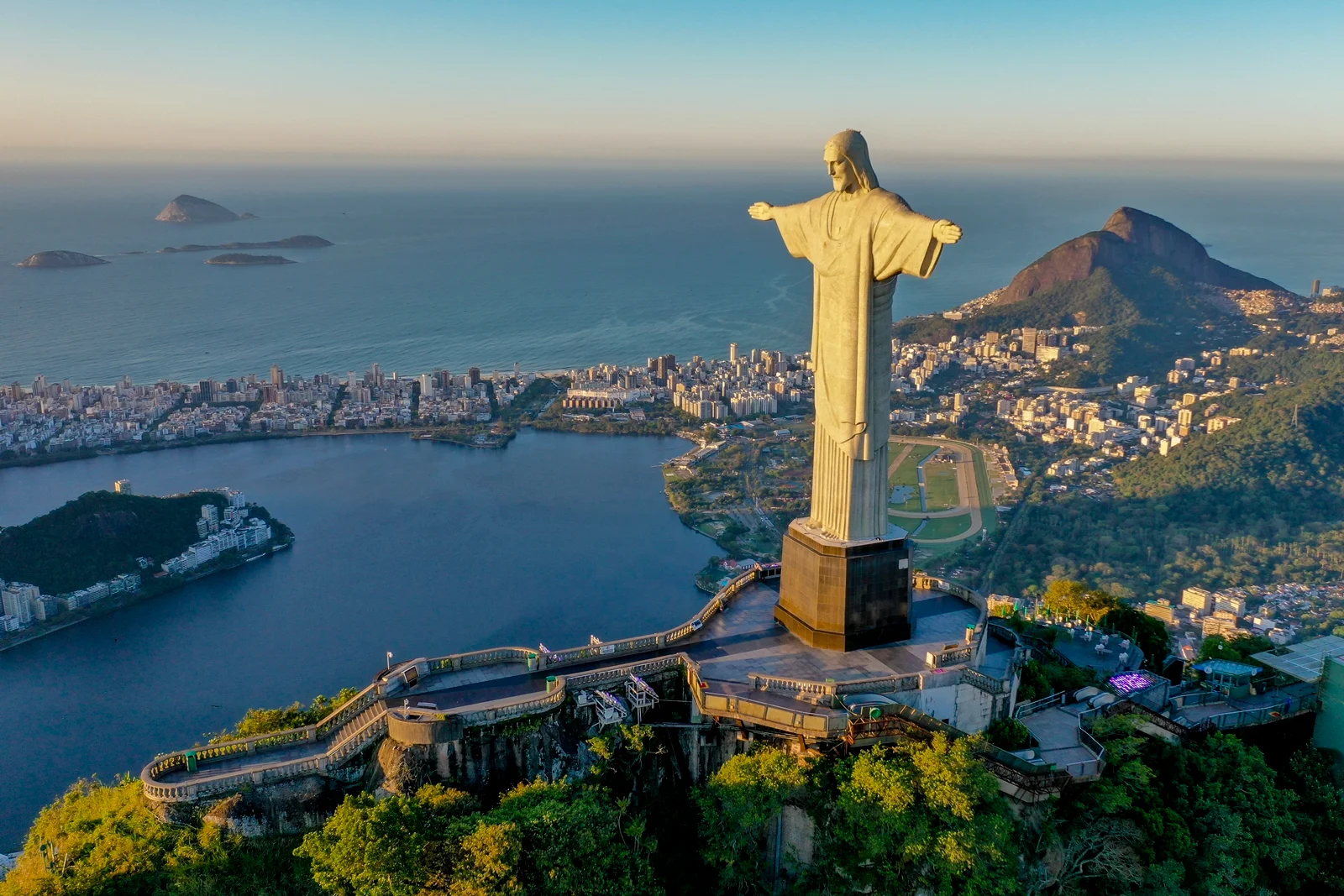
After breakfast, your guide will wait for you in the hotel lobby. You go to the statue of Christ of Redeemer through the historical center of the city. The monuments left over from the past are well preserved, since the Church of Candelaria was built in 1775. Some of the best examples of the Baroque style were embodied in the monastery of San Bento. The arches of the famous Lapa were built in 1732 and are used as a water conduit to bring water from the Carioca River to the city center. The city theater was decorated by the best artists from Europe. In Piazza Novembru there are several of the city's most important monuments: the Imperial Palace, from whose balcony slavery was abolished, the Tiradentes Palace, the cathedral built in 1808 as a royal church, the 16th-century Carmelite monastery. On Boticario Square there are buildings with mosaics, old facades, surrounded by centuries-old trees. The Cathedral with a capacity of 20,000 people is very impressive. Along the way you will admire churches, monasteries, the main Cathedral of the city, as well as buildings built in the colonial style. Arrive at the station where the open-air, eco-friendly train departs and heads through the jungle to the top of Corcovado Hill. At the top of Corcovado Hill, at an altitude of 700 m above sea level, rises the symbol of Rio - the statue of Christ the Redeemer (38 m), which was erected in 1931. From the top of Corcovado, a breathtaking panorama of the metropolis and its surroundings opens: the Niteroi Bridge, Guanabara Bay, the Botanical Garden, the world's largest stadium Maracana, Sugar Loaf.
You can enjoy your free time or choose one of the optional excursions. Excursions with additional payment:
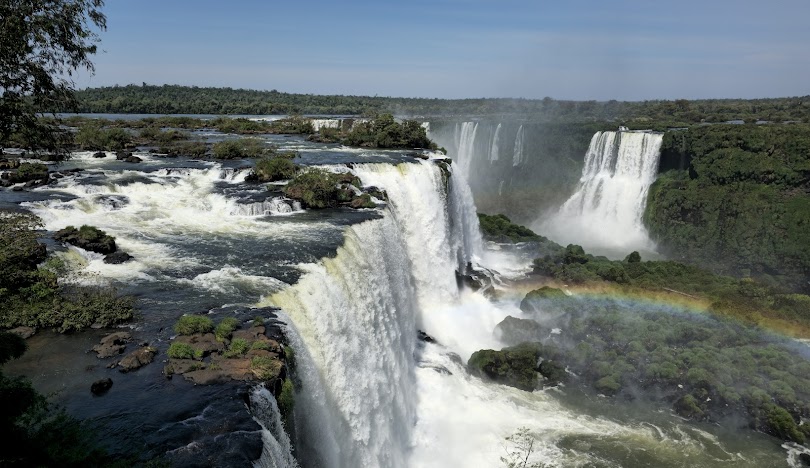
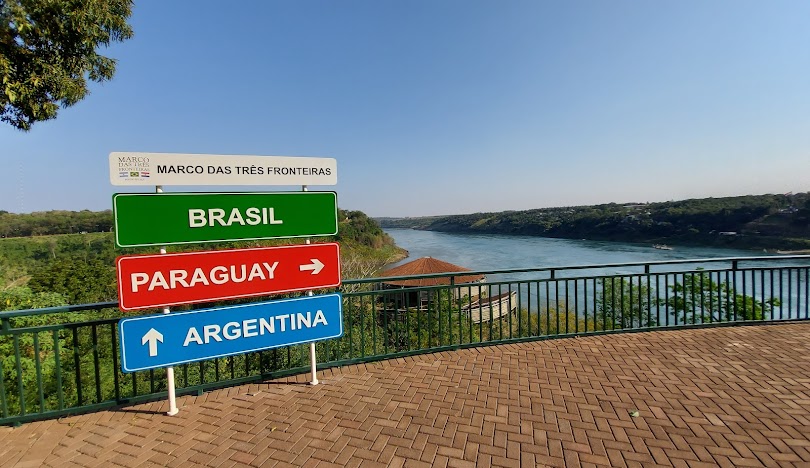
Breakfast in the hotel. Transfer to the airport, flight to Iguazu. You are greeted by a driver holding a sign with your names. Transfer to the selected hotel. Brazilian side of Iguazu Falls Excursion accompanied by a guide. Observation platforms give a unique feeling of closeness to the power of nature, from where you can enjoy the view of many waterfalls - a unique natural phenomenon! Two thirds of the cascades are located in Argentina, one third belongs to Brazil. To fully experience the grandeur and power of the waterfalls, it is necessary to examine it from both countries. The border between Brazil and Argentina runs along the gorge of the main cascade - this is “Gargante del Diablo”, which means “Devil's Throat”. During a ride on an ecological train and then a walk to the “Devil's Throat” observation deck, a mesmerizing panorama of the most powerful and high-water cascade opens up. The so-called “lower route” is characterized by a closer contact with the cascades, over which hang countless rainbows reflected in millions of sprays. The “Upper Route” covers the highest sector of the waterfall - the beginning of the formation of the Iguazu Cascades. Return to your hotel on the Brazilian side.
Good Morning! After a delicious breakfast in your hotel, our guide will pick you up for a full day adventure to the Argentinian Side of the Iguazu National Park. The Argentinean side is very different from the Brazilian one; there are the three trails leading you through the nature in the parc: The Lower Circuit: At a length of 1,700 meters, runways venture into the lush jungle to take direct contact with the breaking of the Dos Hermanas, Chico and Ramirez. Walking down a runway you can be at the foot of a huge seawall water which is the fall of Salto Bosetti and you will enjoy the steep falls in the Saltos Alvar Nuñez, Elenita and Lanusse. The Upper Circuit: a walk of 1,300 meters, elevated runways will take you on the fall line of several major jumps, reaching the edge thereof. It provides an overview of the whole area from a greater height. The Devil's Throat: Accessed through the Rainforest with the Ecological Train arriving at the Devil's Throat Station. From there, after a 1,000 meters walk, you will reach the enormous 'Devil's Throat'. You will walk around next to the falls to have a close look of the falls. You can feel the strength of the water and enjoy the 55.500 hectares of natural beauty! In the evening your driver will drive you back to your hotel.
Airport transfer. Flight to Rio de Janeiro. Transfer to the hotel.
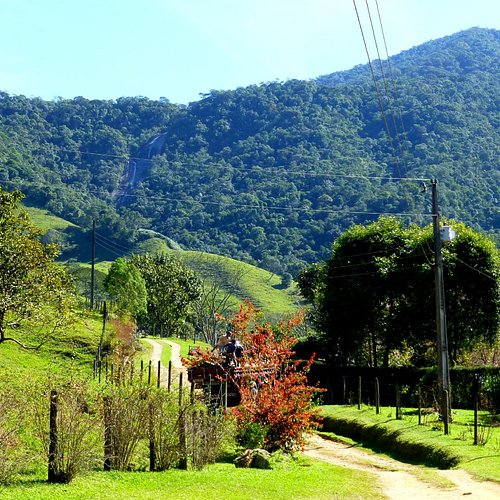
Haciendas of coffee baron Transfer to the coffee valley (about 3 hours). A day at a coffee farm — a journey into Brazil’s past, its aristocracy, its passion, and the land that created the flavor of life This is a day to escape the city and dive into the green heart of the country. The road runs through rolling hills filled with soft sunlight, past palms, bamboo and eucalyptus… until you reach a historic coffee fazenda — the place where Brazil’s wealth was once born. Here lived the coffee barons — the landowners who in the 19th century made Brazil the world’s biggest coffee producer. Their estates were palaces: high ceilings, grand salons, crystal, European silver — and around it all, endless waves of coffee plantations. This world was rich, dazzling… and ruthless. Here the story of Isaura comes alive — the heroine of the famous novel “The Slave Isaura” by Bernardo Guimarães, which became a legendary Brazilian TV series. It was filmed in fazendas just like this one: the same verandas, the same columns, the same old tiled floors, the same gardens scented with jasmine. You feel her breath here still — a young woman dreaming of freedom among the golden coffee fields. The visit is like walking through time. You will see the old machines used to roast the beans, the drying patios, the wooden barns full of coffee bags, the tools, the history — and you will smell that unmistakable aroma in the air. Then comes the tasting. Fresh coffee grown right here — soft, deep, warm… like an embrace of the land itself. The master will explain why this flavor is so round and smooth, how the sun changes the taste of the grain, and why Brazilian coffee is not just a drink — but a philosophy. A walk through the fazenda is pure peace. Bougainvillea in full bloom, violets, jasmine, mango trees, still lakes, white herons on the grass… every step is like a breath of clean air. This is a day where you dive into Brazil as it truly is: not only beaches and samba, but roots, memories, and the deep layers that created the modern spirit of this country. You will leave feeling that you have learned more than the story of coffee — you touched the very soul of Brazil.
Breakfast at the hotel, transfer to the airport and flight home.
Reserve your ideal trip early for a hassle-free trip; secure comfort and convenience!
To receive our best monthly deals





Leave a comment: