
Accommodation in double room in mentioned hotels or similar with American Breakfasts according to hotels.
Mentioned meals in the program.
Visits, excursions, entrance fees to the tourist sites mentioned in the program.
English-speaking guide or German guide throughout the tour.
Transfers, private land, or sea transport (except for regular routes) adapted to the size of the group.
International flights.
Domestic flights per person. Fares are for indicative purposes only.
Beverages.
Meals mentioned as free.
Personal expenses.
Suggested tips for guides (3 USD/day/person), drivers (2 USD/day/person), waiters and luggage porters (4-5 USD/person).
Porters and bell boys carry luggage in hotels and airports.
All services not mentioned, optional or extra.
Free of charge (FOC).
Highlights of the Tour
Itinerary
Welcome to Mexico City!
Arrival to Benito Juarez international airport and transfer to the hotel
Overnight at Estoril or SIMILAR.
Breakfast
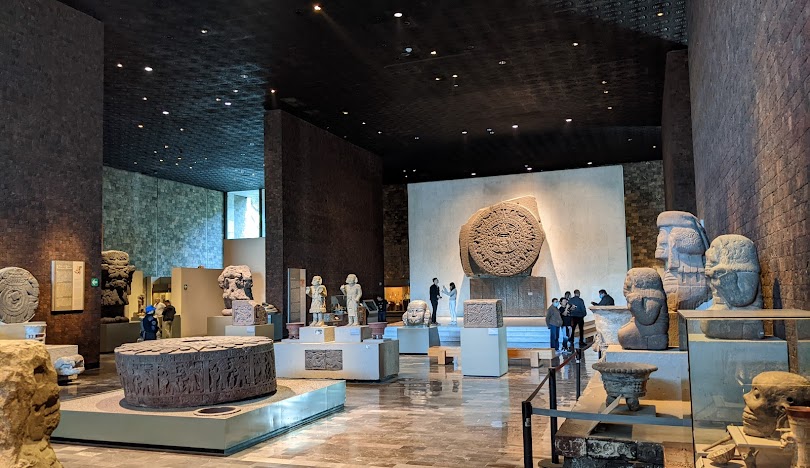
Visit to the National Museum of Anthropology (closed on Mondays). Considered one of the most beautiful museums in the world,
this vast modern building, dating from 1963, with a central courtyard half covered with a sculpted dome-umbrella, is the work of the
Mexican architect Pedro Ramirez Vasquez. Occupying an area of 400,000 m² in Chapultepec Park, the museum brings together
thousands of pieces belonging to the different cultures that followed one another in the country during the pre-Hispanic era.
Visit the Zocalo, the immense square embellished by centuries-old arcades always animated by the crowd. Enter the Metropolitan
Cathedral to admire its composite architecture and decoration: mixture of Renaissance, Baroque and neo-classical styles.
Contemplation of the majestic National Palace (closed on Monday), seat of the government, with its facade decorated with beautiful
wrought iron balconies.
Continue through Calle Madero to admire the magnificent 19th century buildings: the headquarters of Banco Nacional de Mexico,
the Palace of Iturbide and the famous "Casa de los Azulejos" which keeps memories of Emiliano Zapata and the Mexican revolution.
Breakfast
Departure from Mexico City to Teotihuacan.
Then, transfer to Puebla de Zaragoza.
Marvel at the splendor of its elegant colonial buildings, its streets and its flavors that honor its nickname "De los Ángeles". A city
with beautiful facades covered with talavera is an authentic and unique place.
Visit of the "Basilica de Guadalupe". This modern basilica was built in order to replace the Spanish construction of the 17th century,
that if it's true it still exists, it damages more every day and it hopelessly sinks in the swampy ground. The devotion to the "Dark
Virgin of Guadalupe", is so big that even the Mexicans call themselves "guadalupanos" before Catholics. This devotion is daily
shown, with long walks in their knees till the basilica entrance. The atmosphere in this place is unique, full of fervor and prayers.
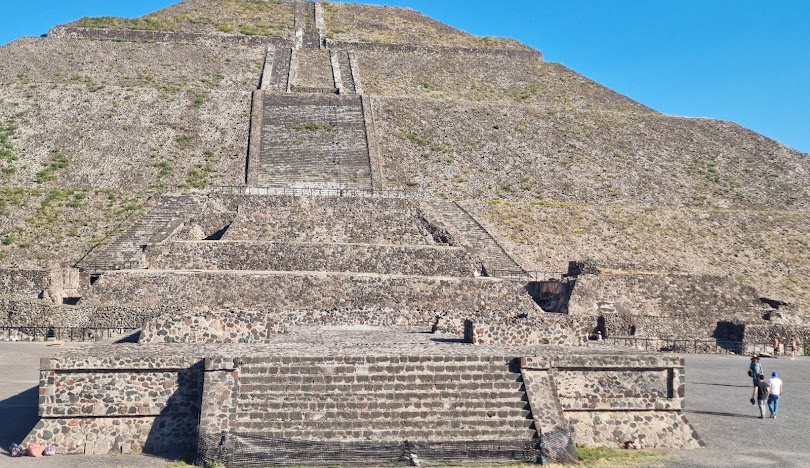
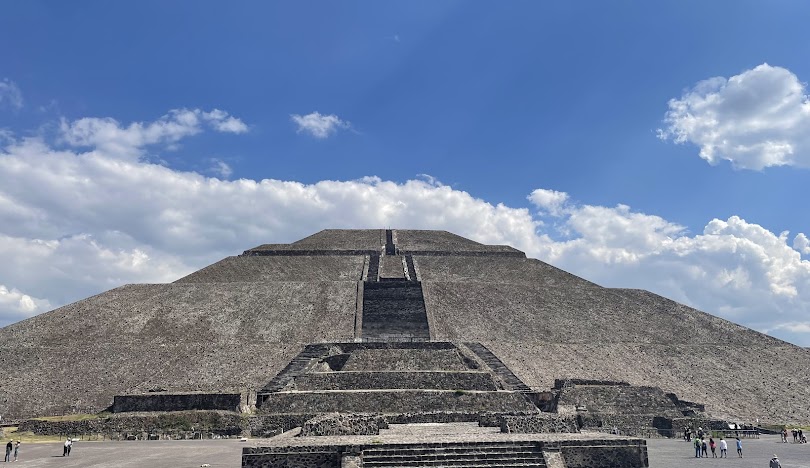
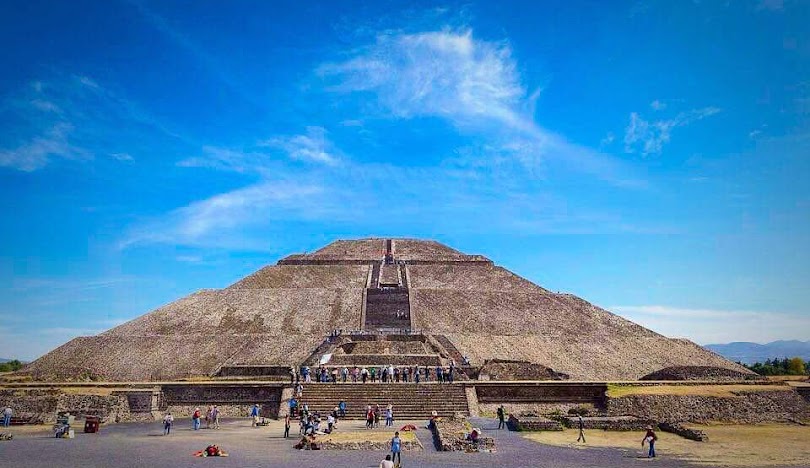
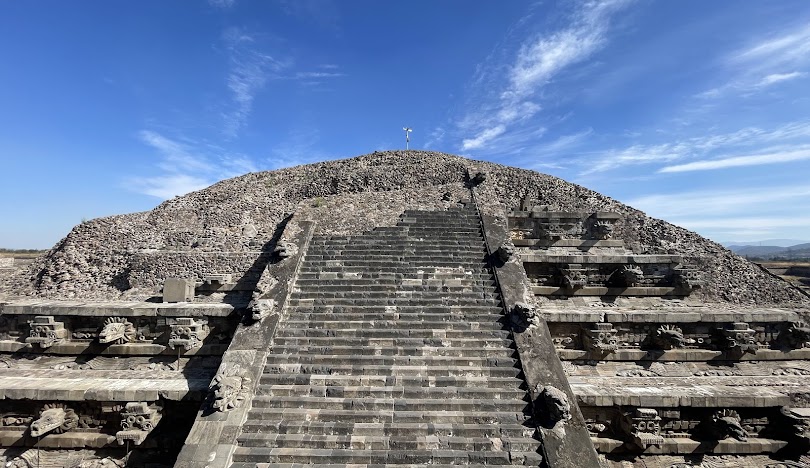
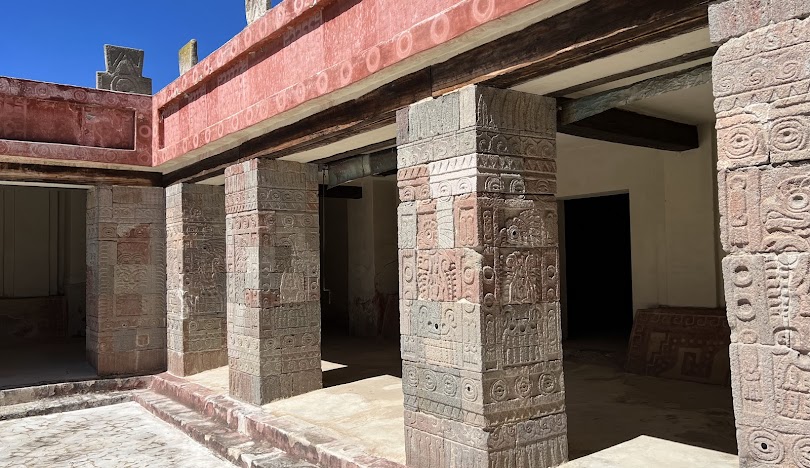
Discover of Teotihuacan, the fascinating "city of the gods" with gigantic dimensions. Crossing the Citadel, a vast esplanade on which
stood the Temple of Quetzalcóatl, to admire the Pyramids of the Sun, the largest construction of this type on the American continent
and that of the Moon, surrounded by small pyramidal constructions. End by visiting the Palaces of the Jaguars and the Quetzal
Papillo.
Visit of the archaeological site of Teotihuacán, which was the most populated and dynamic city of the central valley. The
Quetzalcoatl temple, as long as the two impressive pyramids of the Sun and the Moon are immutable witnesses of its glorious past.
In the top of the pyramids you can get a super view that embraces all the plain
Tasting of a local drink, pulque, made from cactus.
Visit an obsidian-size workshop, the black and shiny volcanic stone widely used by pre-Columbian civilizations.
Overnight at Colonial Puebla or SIMILAR.
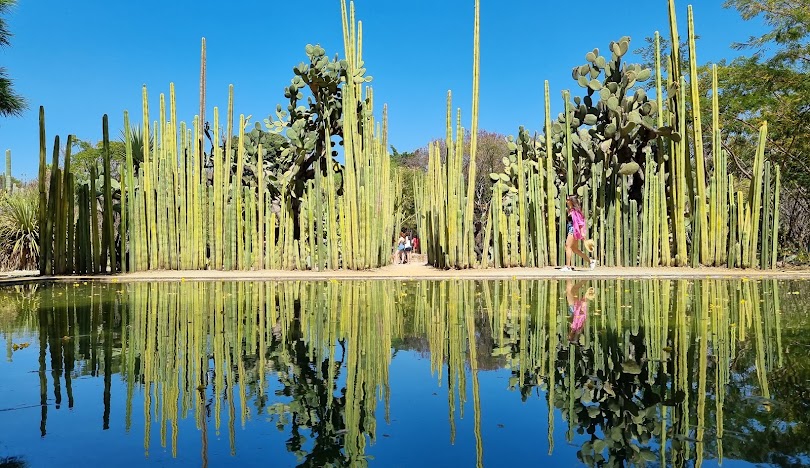
Departure towards Oaxaca across a road surrounded by mountains where candelabra cacti grow as far as the eye can see.
Arrival to Oaxaca. Oaxaca is one of the cities where all the historical periods of Mexico shine: pre-Hispanic, colonial, independent,
modern, and contemporary are expressed with its natural elegance in every street, colonial building, museum, magical festival,
colorful crafts, pre-Columbian ruins, and the many splendorous baroque churches that are to be found in every corner of the city.
Walk through the streets and squares of Puebla to admire its remarkable colonial center, several facades of which are decorated
with "talavera", the famous local ceramic. After visiting the imposing Cathedral, climb up 5 de Mayo Street to discover one of the
jewels of sacred Baroque art in Mexico, the Chapel of Our Lady of the Rosary, installed in the Church of Santo Domingo.
The chapel has a flamboyant decoration in painted and gilded wood, marble and onyx. Stroll through the busy streets of Puebla.
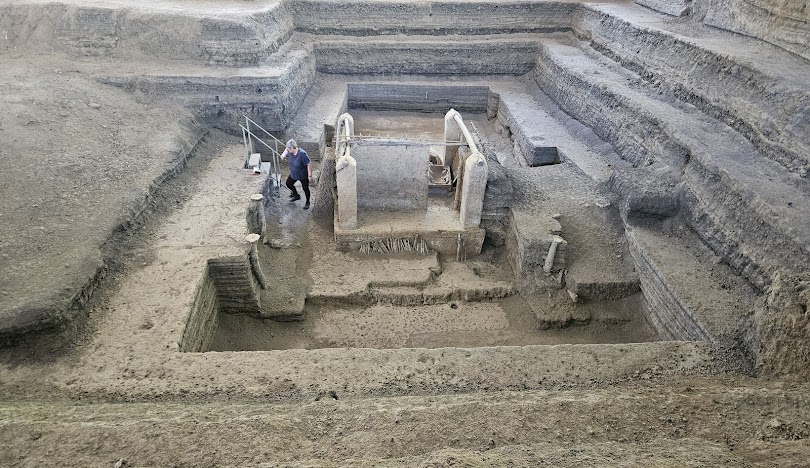
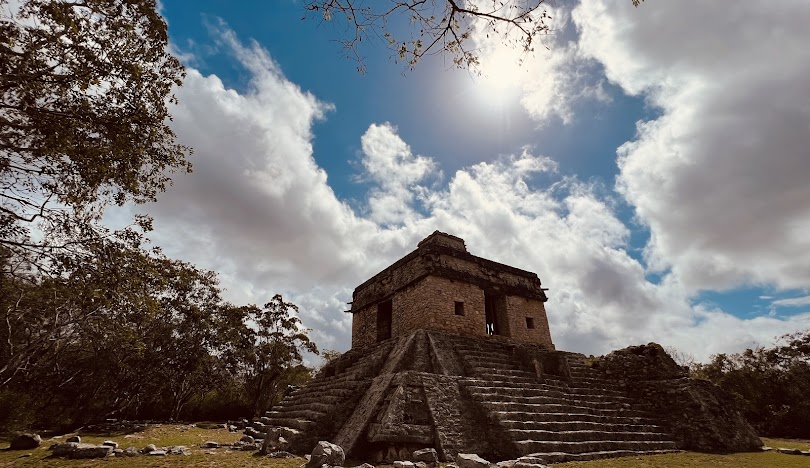
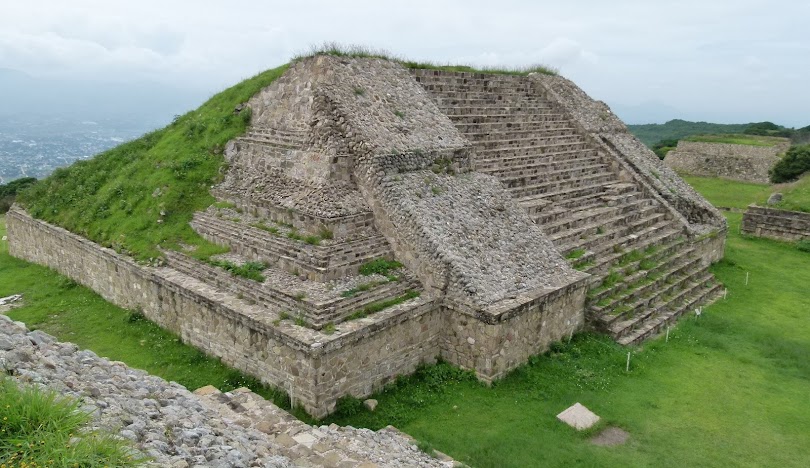
Monte Albán, a UNESCO World Heritage Site, was the former ceremonial and military capital of the zapotheques that settled in the
Central Valleys of Oaxaca. You will find temples, tombs, ball games, and much more.
Climb to Mont-Alban to discover the Zapotec (then Mixteque) ceremonial center which rises on a vast esplanade. It is undoubtedly
one of the most spectacular archaeological sites in Mexico by its location at an altitude of 2,000 meters and its sacred monuments.
Departure to the visit of Monte Alban. Monte Alban was the ancient capital of the Zapotecs and one of the first cities in
Mesoamerica. The pre-Hispanic capital is located at the summit of a hill that rises in the southwest of Oaxaca City. It is located at
1948 meters above sea level (400 more than the level of the valley of Oaxaca). During this time, it was one of the most populated. It
was founded approximately 500 years BC and flourished until 750 AD. Located in the central valley of Oaxaca, Monte Alban exercised
political, economic, and ideological control over the other communities and surrounding mountains.
Overnight atMision de los Angeles Oaxaca or SIMILAR.
Breakfast
Walking tour of the charming Oaxaca, "the city of jade", inhabited by a mixed population very proud of their Indigenous origins.
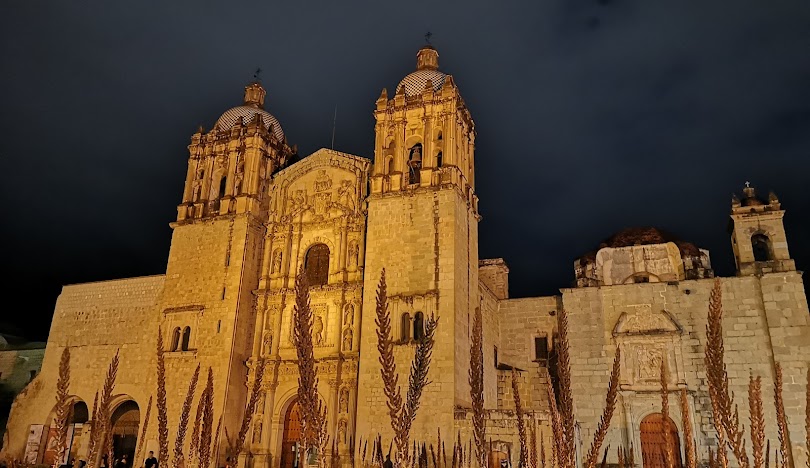
Discover the Church of Santo Domingo considered one of the baroque jewels of Mexico. Contemplation of the Cathedral dedicated
to the Virgin of the Assumption, which impresses with its many Baroque statues and sculptures.
Through the streets embellished by colorful houses, you will arrive at the city market, exotic as you wish, with its fruit, vegetable and
meat stalls in quantity.
Crossing the Mexican countryside punctuated by small villages and agave plantations. Stop in Santa Maria El Tule where a botanical
curiosity always surprises: a giant tree 40 meters high (the ahuehuete) which literally covers the village square with its foliage.
Departure to visit the "Arbol del Tule", its impressive thickness is worth to be admired. The native children, with a lamp will show
you the different figures of vegetables, fruits and animals that they have imagined when they stare at the trunk of this peculiar tree.
Departure to visit the site of Mitla, whose name Nahautl (native language of the Aztecs) means "place of the dead". The small village
of Mitla was inhabited between 950 and 1521 AD by the Mixtec ethnic group, which succeeded the Zapotecs and whose
representatives are still among the indigenous population. The walls of the main buildings have preserved their original sculptures
made up of stylized patterns in the form of stairs and parchments.
Overnight at Calli or SIMILAR.
Breakfast
In the morning, ride in a motorboat in the Cañón del Sumidero, a natural site where very high walls, covered with vegetation, fall
steeply into the calm waters of a sinuous stream forming a fabulous parade of unforgettable landscapes.
Overnight atMansion De Los Angeles or SIMILAR.
Breakfast
Discover the Indian market of San Cristóbal, where a dense crowd dresses the traditional costumes of the different communities in
the region. Part of the market is dedicated to magical and medicinal plants.
San Cristóbal de las Casas, Pueblo Mágico, emerges from the valley surrounded by mountains inhabited by the Tzoltzil and
the Tzatzal people. Today, it forms a mosaic of local cultures and people from all over the world who have chosen the city as their
home.
Around the Zocalo, visit the Cathedral (16th century) and the Temple of Santo Domingo, excellent examples of colonial and baroque
architecture
Zinacantán is a place where time seems to have stopped. It is a picturesque village belonging to the ethnic Tzotzil, where amber
products have been exchanged since pre-Columbian times.
Discover the embroiderers who weave colored linen on backstrap looms, and see the representative work that adorns the bodies of
the men and women of Zinacantán.
Departure to visit the small town of San Juan Chamula with centuries-old mystical traditions, located in the heart of Chiapas, an
Indian region that keeps the rites and prayers of the shamans intact.
Overnight atMansion De Los Angeles or SIMILAR.
Breakfast- box lunch
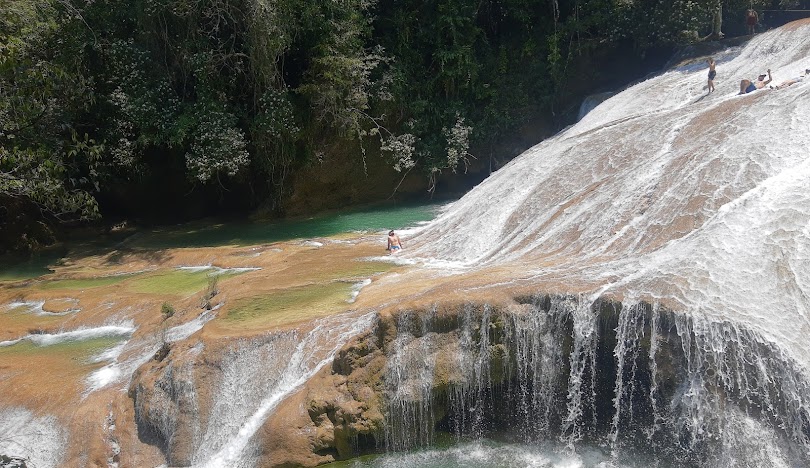
Early departure for the Misolha Waterfalls
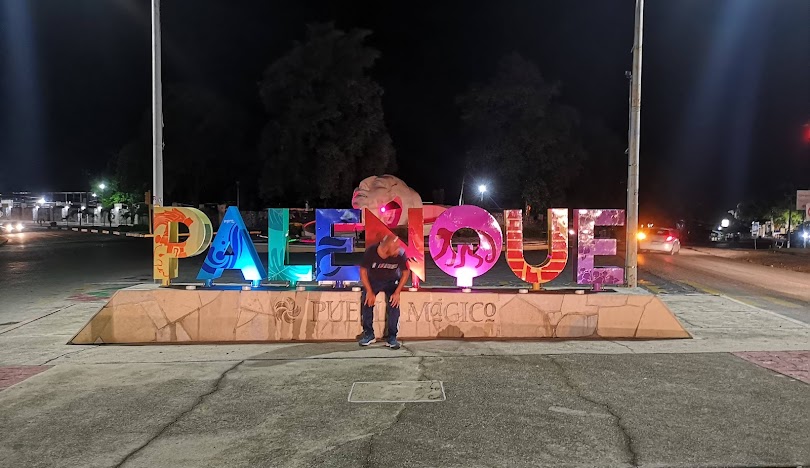
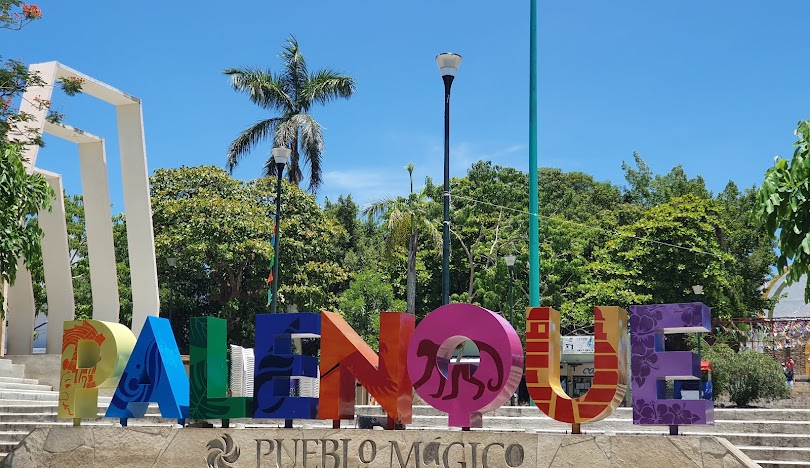
Road to Palenque, in the heart of the tropical forest
Overnight at Tulija Express or SIMILAR.
Breakfast
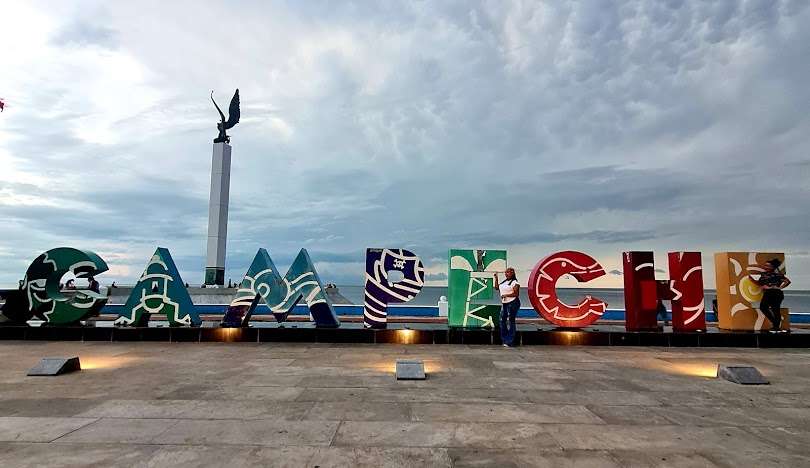
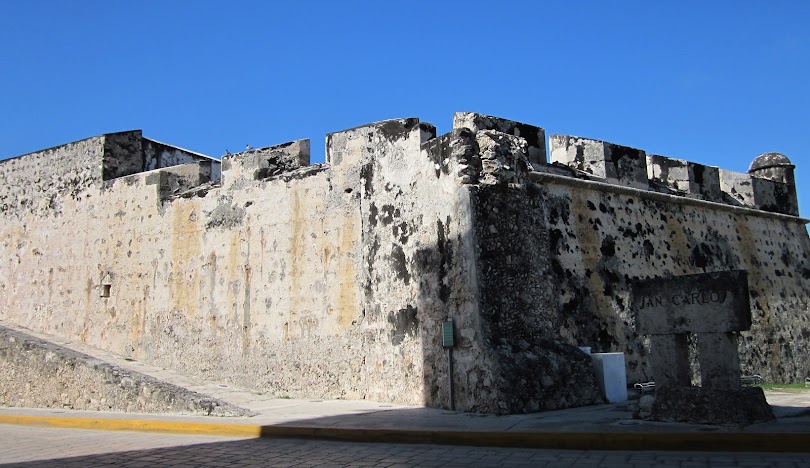
Departure to Campeche Visit the most famous of the Mayan cities: Palenque. The majority of the monuments are hidden in the thick vegetation which gives
a mysterious aspect to the visit of this Maya city which shone during the 7th century, under the reign of Pakal.
Visit of Palenque
Deep in the tropical rain forest, and of an architectural richness extremely elaborated, this place is probably one of the most
exceptional archaeological sites of Mexico. The buildings are from the classic Mayan period.
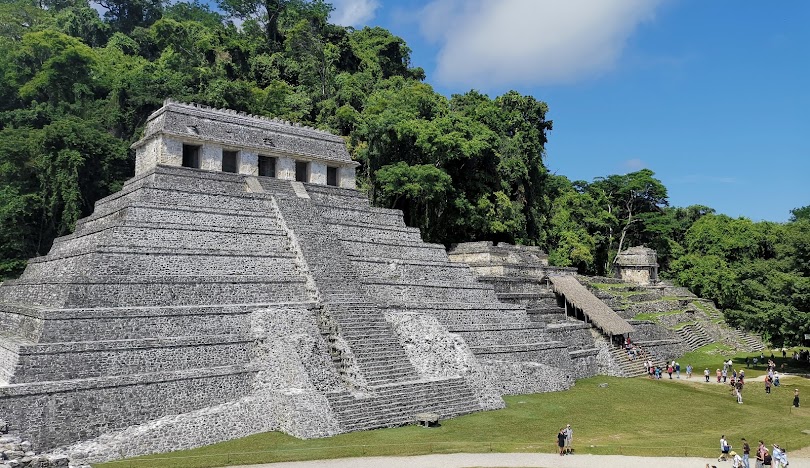
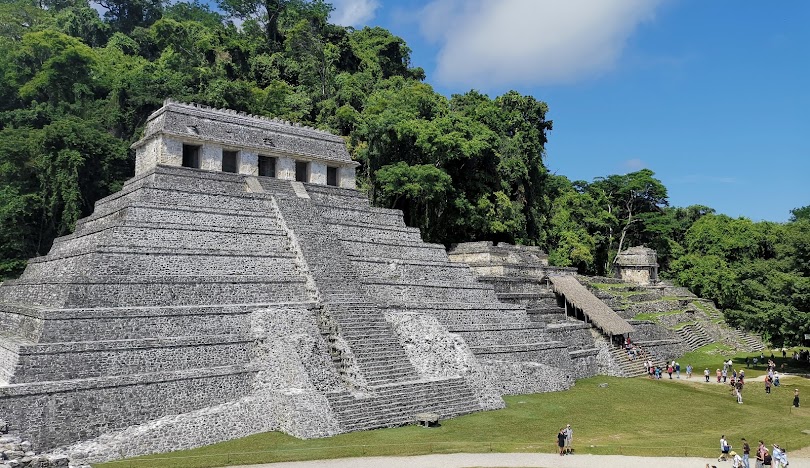
The main plaza at Palenque lies on flat ground cradled up against dense, jungle-covered hills. Away from this plaza, a group of small
temples called the Group of The Cross adorns tiny hills. The plaza itself consists of the massive Temple of the Inscriptions and the
Palace, a large complex of buildings and the four-storied Palace Tower surrounding several courtyards. The main area of the site also
contains a ball court, a section called the North Group, and a few unnamed structures.
Deep within the center of the Temple of the Inscriptions is the spectacular tomb of Pakal, one of the most important rulers of
Palenque. It rests at the bottom of a steep, dimly lit flight of about 75 damp and mossy stairs. The actual sarcophagus in which he is
buried is a plain, one-piece, solid rectangular mass about 10 by 14 feet and 6 feet thick. The body is laid in a mummy's-coffin shaped
hole in the center of this gigantic stone discovered in 1963. The large central design is a bas-relief wherein Pakal is figured with
symbols of the afterlife in the Mayan cosmology
Palenque commanded an area stretching miles and miles across a vast coastal plain reaching as far as the Gulf of México. Backed by
a lip of the moist, fecund Chiapas Mountains, it was a sea of activity for tens of thousands of people and a center of life and death.
Overnight at Mision America Campeche*** or SIMILAR.
Diner at local restaurant
Breakfast
Exploring the Unesco-listed archaeological site of Uxmal. The architectural style called Puuc is of great finesse and elegance. The
horizontal buildings decorated with mosaics such as the governor's palace are rounded by imposing and rounded pyramids like that
of the soothsayer.
Overnight atEcotel Quinta Regia or SIMILAR.
Breakfast
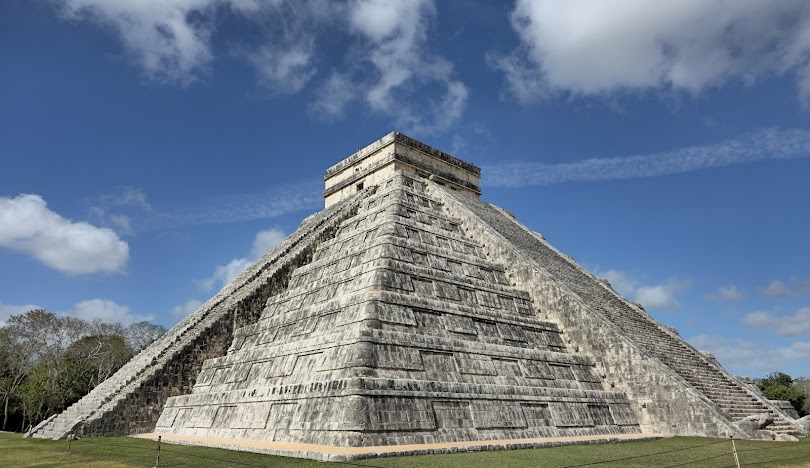
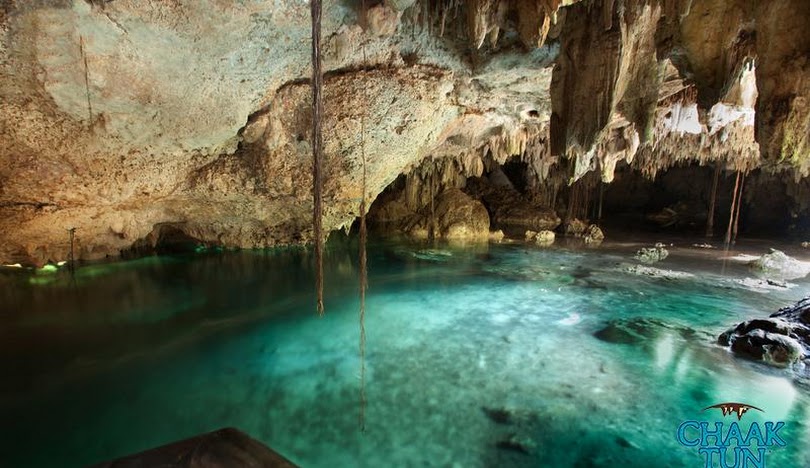
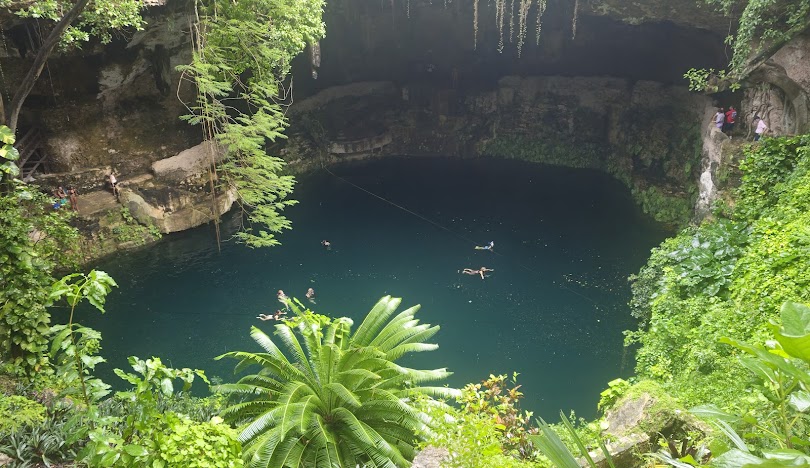
Visit the site of Chichen Itza, emblematic city of the Maya people. The monuments placed near a huge cenote (natural water well)
give a perfect idea of the life and culture of the Mayans. Contemplation of the game of pelota, the pyramid of Kukulcan, the temples
and the Caracol as well as the astronomical observatory from where the Mayans followed the rainy seasons, fundamental for the
planting of corn.
Departure to Chichen Itza, the greatest prehispanic complex of Yucatan.
This ceremonial center was built in the classic period by the Mayas, but it was invaded in the post classic by the Toltecs warriors,
who came from the central plateau. The unification of these two cultures is very clear in the architecture and the sculptures of the
monuments.
The famous pyramid of the Kukulcan, has in its interior a magnify throne made of stone with a jaguar form and eyes of jade.
Regarding the ball game, it outstands between the most important of Mexico. You will also discover the Cenote in which they used
to throw victims, who were sacrified on "Chac's" honor, the Mayan god of rain.
Transfer to Cancun for a night extension or to go to the airport (international night flight).
Leave a comment: