
To More Inquiry

Arrival to Incheon International Airport/ Meet and greet by our representative / Transfer to Seoul & Check in hotel, Free at your own leisure time.
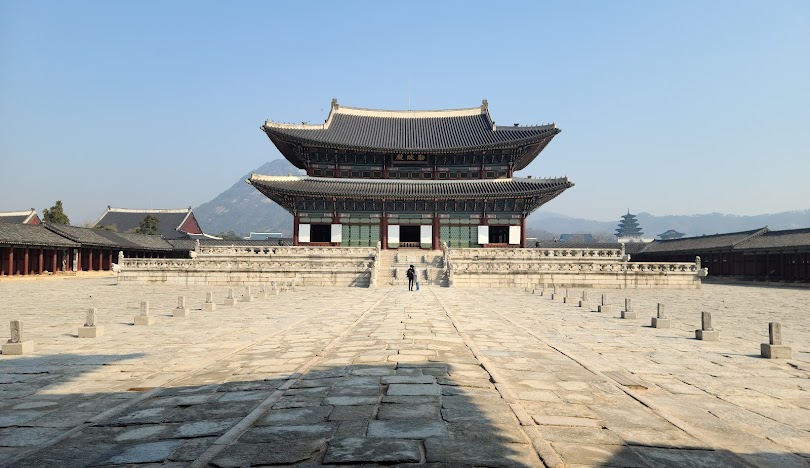
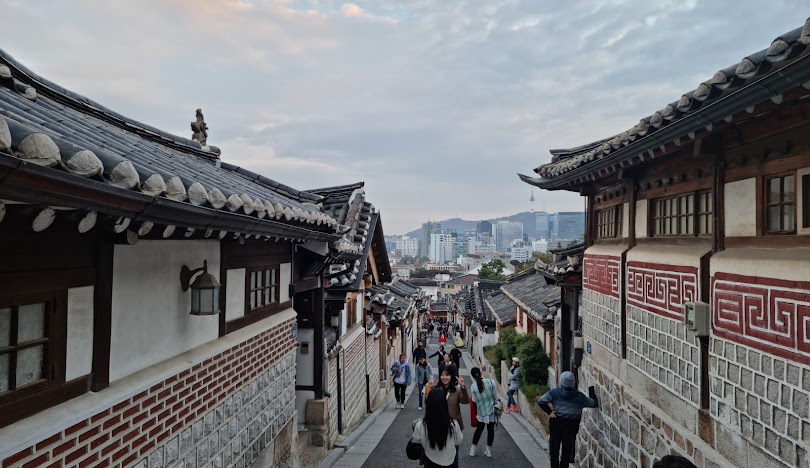
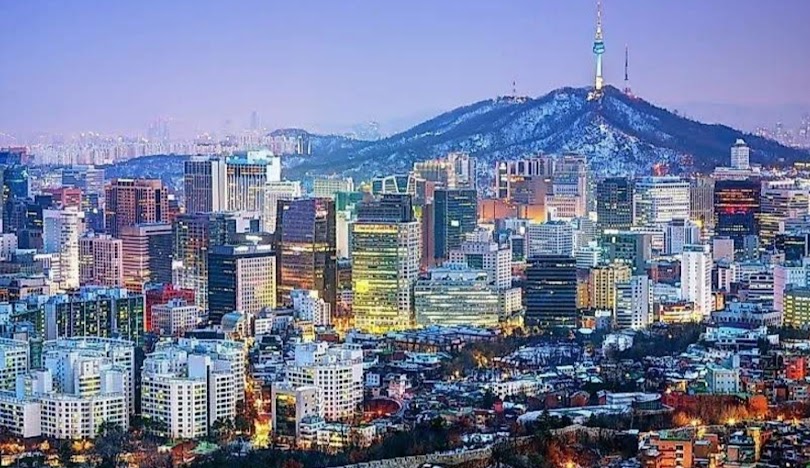
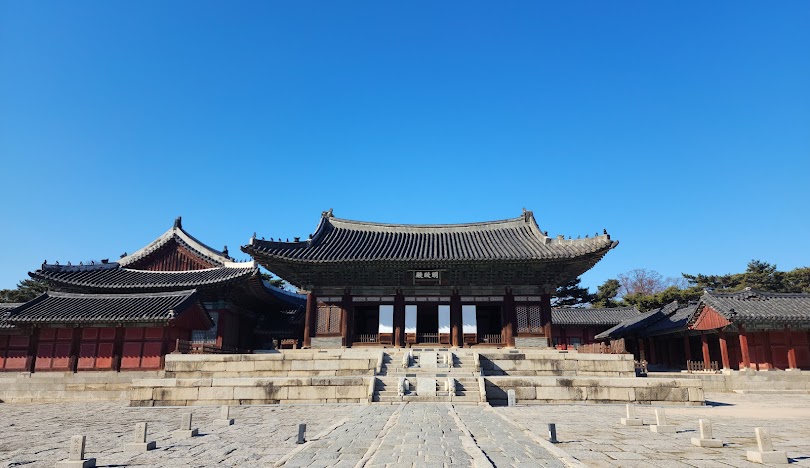
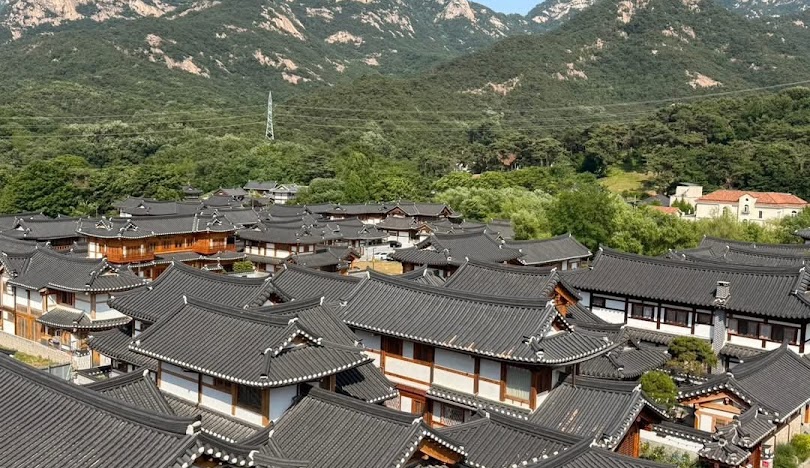
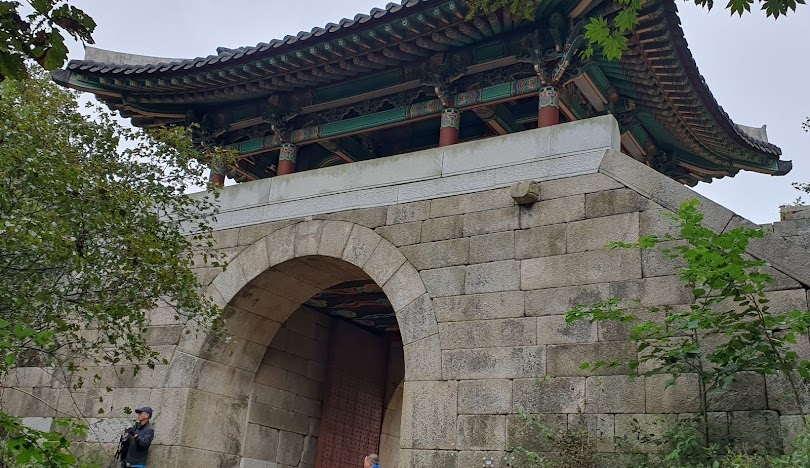
Seoul City Highlight tour in historical center: Gwanghwamun Square stretches out from Gwanghwamun Gate, once the main gate of Gyeongbokgung Palace, to Sejongno Sageori Intersection. Gwanghwamun Square is divided into six sections. At its center stands a statue of King Sejong the Great, the fourth and most respected king of the Joseon Dynasty and creator of Hangeul, Korea's alphabet; and a statue of Admiral Yi Sunshin, a naval commander noted for his victories against the Japanese navy during the Japanese invasions of Korea (1592-1598) and a hero among Koreans. Other attractions include the popular 12.23 Fountain, a sculpture of Haechi (the symbol of Seoul), a flower carpet, and Yeoksamulgil (or the "Waterway of History") on either side of the square. Gyeongbokgung Palace– built in 1395, Gyeongbokgung Palace is also commonly referred to as the Northern Palace because its location is furthest north when compared to the neighboring palaces of Changdeokgung (Eastern Palace) and Gyeonghuigung (Western Palace) Palace. Gyeongbokgung Palace is arguably the most beautiful, and remains the largest of all five palaces. The premises were once destroyed by fire during the Imjin War (Japanese Invasions, 1592-1598). However, all of the palace buildings were later restored under the leadership of Heungseondaewongun during the reign of King Gojong (1852-1919). Blue House (Presidential Residence).The signature markings of the Presidential Residence of Cheong Wa Dae are its blue tiles . It is the first thing that catches one's attention upon entering the premises. The blue tiles and the smooth roof blend beautifully with Bugaksan Mountain in the backdrop. Bukchon Hanok Village–Surrounded by Gyeongbokgung Palace, Changdeokgung Palace and Jongmyo Shrine, it is home to hundreds of traditional houses, called hanok, that date back to the Joseon Dynasty. The name Bukchon, which literally translates to "northern village," came about as the neighborhood lies north of two significant Seoul landmarks, Cheonggyecheon Stream and Jongno. Today, many of these hanoks operate as cultural centers, guesthouses, restaurants and tea houses, providing visitors with an opportunity to experience, learn and immerse themselves in traditional Korean culture. As Bukchon Hanok Village is an actual neighborhood with people's homes, visitors are advised to be respectful at all times while looking around. Insadong Antique Alley is “well known as a traditional street to both locals and foreigners” and represents the “culture of the past and the present”. It contains a mixture of historical and modern atmosphere and is a “unique area of Seoul that truly represents the cultural history of the nation.” The area is well known for sightseeing, with approximately 100,000 visitors on Sundays reported in 2000. Insadong is also a visiting spot for foreign dignitaries such as Queen Elizabeth II and the princes of Spain and the Netherlands. It contains 40 percent of the nation’s antique shops and art galleries as well as 90 percent of the traditional stationery shops. Jogyesa Temple is the center of Korean Buddhism. The temple was built in the late 14th century during the Goryeo period and was once turned into ashes due to fire and was rebuilt under the name of Gackhwangsa Temple in 1910 with the effort of many respectful monks, namely Han Yong-un and Lee Hee-gwang. The temple was given a role as the head temple of Korea’s Buddhism and renamed to Tegosa Temple in 1936. In 1954, a purification drive took place to eliminate Japanese influence and revive traditional Buddhism, which established the present day Jogyesa Temple as a result. Cheonggyecheon Stream is an 11 km long modern stream that runs through downtown Seoul. Created as part of an urban renewal project, Cheonggyecheon is a restoration of the stream that was once there before during the Joseon Dynasty (1392-1910). The stream was covered with an elevated highway after the Korean War (1950-1953), as part of the country's post-war economic development. Then in 2003, the elevated highway was removed to restore the stream to its present form today. The stream starts from Cheonggye Plaza, a popular cultural arts venue, and passes under a total of 22 bridges before flowing into the Hangang (River), with many attractions along its length.
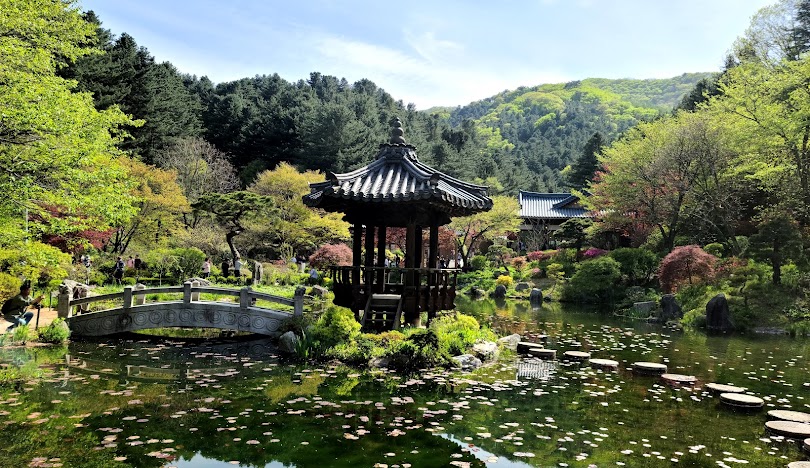
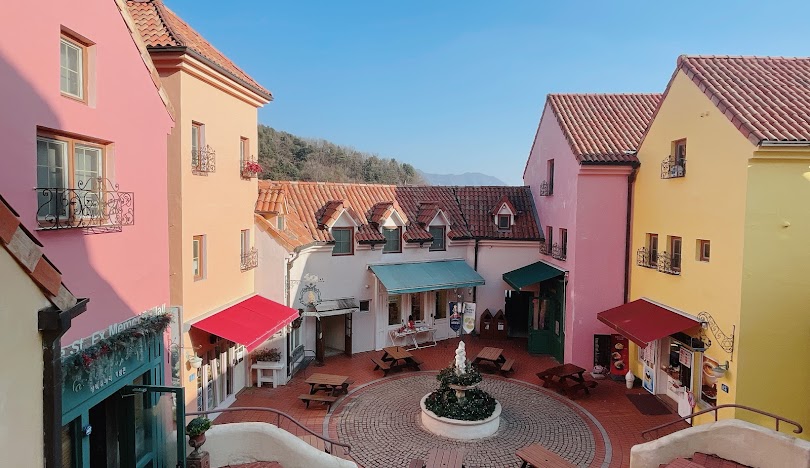
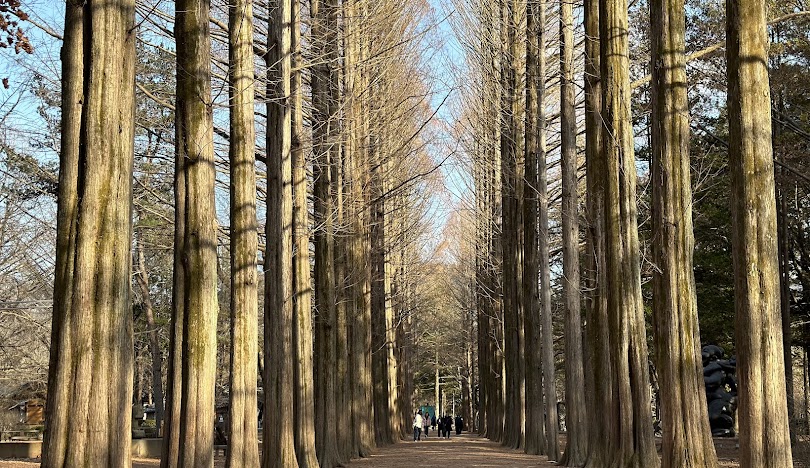
Transfer to Gapyeong. Visit to the Garden of Morning Calm The Garden of Morning Calm,a 30,000㎡garden, was conceptualized by Professor Han Sang-kyung while he was serving as an exchange professor in America. His vision was to create a garden that would become world-famous and spread the concept of Korean beauty throughout the world. The inspiration for the garden stemmed from a poem written by Sir Tagore, a great Indian poet, who described Korea during the Joseon Dynasty as "The Land of the Morning Calm." The garden is the oldest private garden in Korea. It is an artistic space with a beautiful balance between the Korean concept of natural curves with asymmetry, and plants with synthetic materials, attracting about 600,000 visitors annually. Scenic walkways, beautifully manicured grass, and flower beds connect the garden's 20 different themed sections. In addition to the beautiful foliage of the garden, there are a variety of festivals and displays held throughout the year. Visit to Nami Island Namiseom Island was formed as a result of the construction of Cheongpyeong Dam. Namiseom Island is famous for its beautiful tree lined roads. A special feature of Namiseom Island is that there are no telephone poles. This is because all electric wires were built underground to keep the natural feeling of the landscape. The island is 553,560 square yards with chestnut trees and poplar trees throughout. In the middle of the isle, there is a grass field about 316,320 square yards. It features education and training facilities and camping sites. The island also has a swimming pool and water-sports facilities for motorboats and water skiing, as well as a theme park with a merry- go-round, shooting range, and roller skating rink. Lodging facilities such as resort villas and bungalows are available for visitors to stay on the island. Return to Seoul, free time
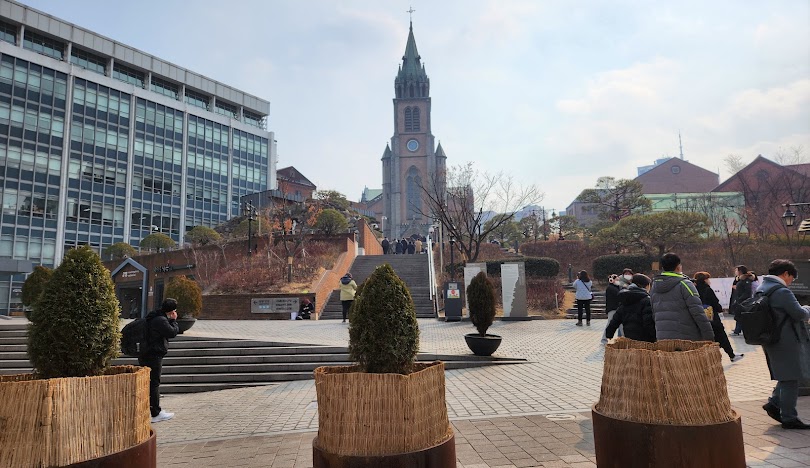
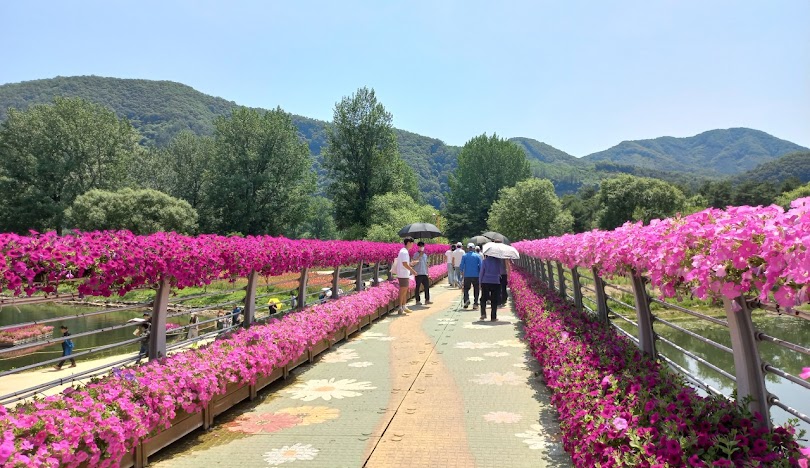
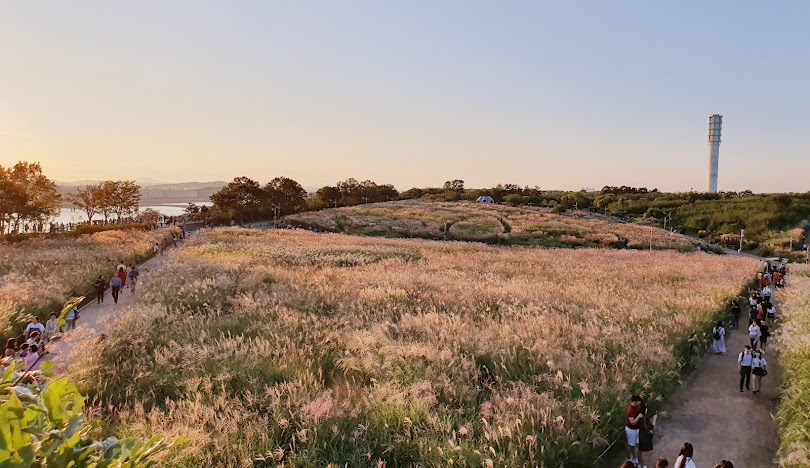
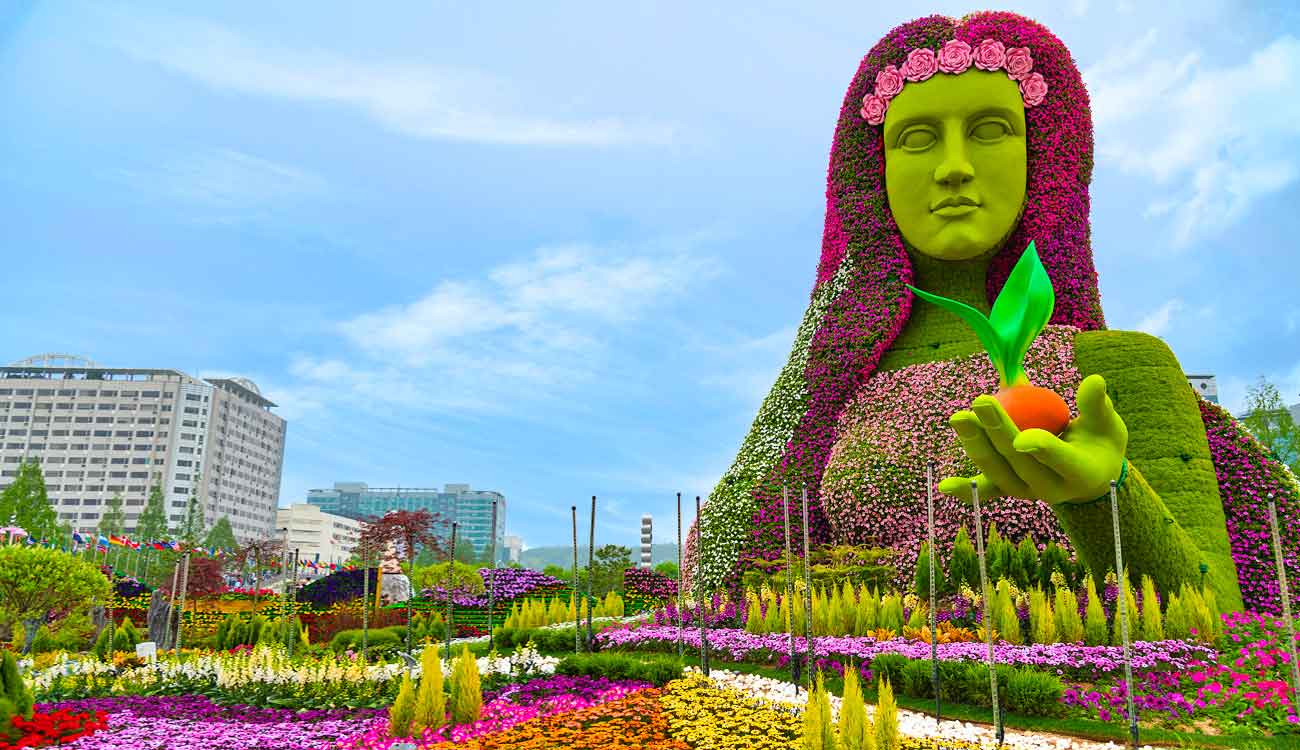
Transfer to Goyang. •Visit to the Goyang International Flower Festival at Ilsan Lake The Goyang International Flower Festival is one of the largest flower festivals in South Korea and takes place in the city of Goyang. It attracts many visitors annually. The festival is held in a metropolitan area and serves as a model for local culture festivals, in which some foreign flower farmers participate. During the festival, flower events and cultural performances are held, and visitors can buy flowers from all over the world, which helps promote the domestic flower industry. Return to Seoul. Visit to Namsangol Hanok Village Namsangol Hanok Village opened in 1998 on the north side of Namsan Mountain in the center of the capital. This village has five restored traditional Korean houses, a pavilion, traditional garden, performance arts stage and a time capsule plaza, making it a perfect spot for both locals and tourists to take a leisure walk. Upon entering from the front gate, visitors will get a taste of the traditional life while escaping from the bustling city life of modern times. The traditional garden with its pavilion and the traditional houses create a peaceful ambiance before the forested Namsan Mountain. A time capsule commemorating Seoul’s 600 Year Anniversary was buried in 1994 at the highest point of the village and is scheduled to be reopened four hundred years later in 2394. Free time at shopping centerMyeongdong. Myeongdong is Seoul’s shopping mecca and is a must-see for tourists, but it is not just a shopping destination; Myeongdong is also a hub of commerce, banking and culture with a daytime population of 1.5-2 million. For shoppers there is a mixture of street stalls and retail outlets selling everything from high fashion to casual attire, as well as many Korean cosmetics stores offering high-quality products at competitive prices.
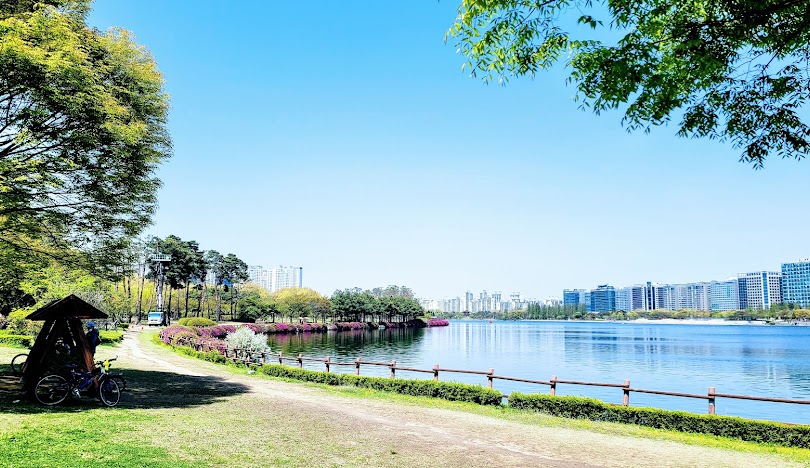
Visit to Theme Amusement Park LOTTE WORLD or Visit to Observatory SEOUL SKY in Lotte World Tower Lotte World is a theme park filled with thrilling rides, an ice rink and different kinds of parades, as well as a folk museum, a lake, accommodations, department stores and more. Lotte World is divided into Lotte World Adventure, a world themed indoor area, and Magic Island theme outdoors, next to Seokchonhosu Lake. Lotte World Adventure is the largest indoor amusement park in the world. The Folk Museum is also one of the most popular museums among international visitors. Also, Lotte World Star Avenue is the perfect place to experience Korean stars and the entertainment world. Walk at Seokchon Lake Seokchon Lake was originally part of the Han River, but following a land reclamation project in 1971, the lake formed. Within Seokchon Lake Park is the West Lake and Magic Island. Magic Island is a man-made island that is connected by monorail to Lotte Adventure. Another exciting attraction of the West Lake is Seoul Norimadang, an outdoor venue for traditional Korean performances, which stages various open-air performances and events at weekends. The East Lake, with picturesque scenery created by the combination of the beautiful lake and the lush park, is famous for its jogging circuits and footpaths. The lakeside area also has a number of amenities including small parks, restaurants and café. All year round visitors come to appreciate the changing seasons by the lakeside. Transfer to Gangnam district. Visit to Samsung D'Light showroom. Many people tend to gather at Gangnam Subway Station, as the location is geographically and commercially suitable as a meeting point for social gatherings, events or personal engagements. Hence, during the weekdays it is usually crowded in the evenings while on weekends, areas around Gangnam Subway Station exit number 10 and 11, as well as City Theatre, and Giordano are often bustling with people. Visitors travel to Gangnam to take advantage of its convenient transportation, fashion malls, movie theatres and bookstores. Samseong Station of subway line 2, it includes a shopping center, a movie theater, a musical concert hall, exhibition halls and famous restaurants. It is also close to a casino, hotels, department stores, and other various amenities. Trade Tower, ASEM Tower and COEX ARTIUM is housed nearby for visitors’ perfect shopping, dining and culture life. COEX MALL has been reopen in 2014. The mall includes Mega-Box theater, COEX Aquarium, Starfield Library, YP bookstore, Pierrot shopping and many other shops and restaurants. Visit to Bongeunsa Temple. Bongeunsa is a Buddhist temple founded in 794 during the Silla (one of the Three Kingdoms of Korea) period. The temple has more than 1,000 years of history and has many interesting historic and cultural features, including woodblock carvings of the Avatamsaka Sutra (Flower Garland Sutra). The temple is also a very popular tourist destination, offering various programs relating to traditional Korean Buddhist culture, in a variety of languages. Transfer to Dongdaemun Design Plaza. Shopping at Dongdaemun market. Dongdaemun Design Plaza(DDP) is the newest and most iconic landmark of the Korean design industry. Located at the center of the Dongdaemun area, the DDP will serve as a key venue for design-related shows and conferences, exhibitions, and other events and gatherings. Designed by world renowned architect, Zaha Hadid, DDP is the world’s largest atypical architecture. The DDP is comprised of five halls: Art Hall, Museum, Design Lab, Design Market, and Dongdaemun History and Culture Park. The Art Hall is the primary launch pad for the Korean creative industry.
Free time
Hotel check out. Transfer to Incheon International Airport. Departure from Korea
Reserve your ideal trip early for a hassle-free trip; secure comfort and convenience!
To receive our best monthly deals





Leave a comment: